Workout Tips
Best Women's Leggings for Every Workout
Lisboa Fit Editorial Team · Published 12 January 2026 · Updated 28 July 2026 · 4 min read
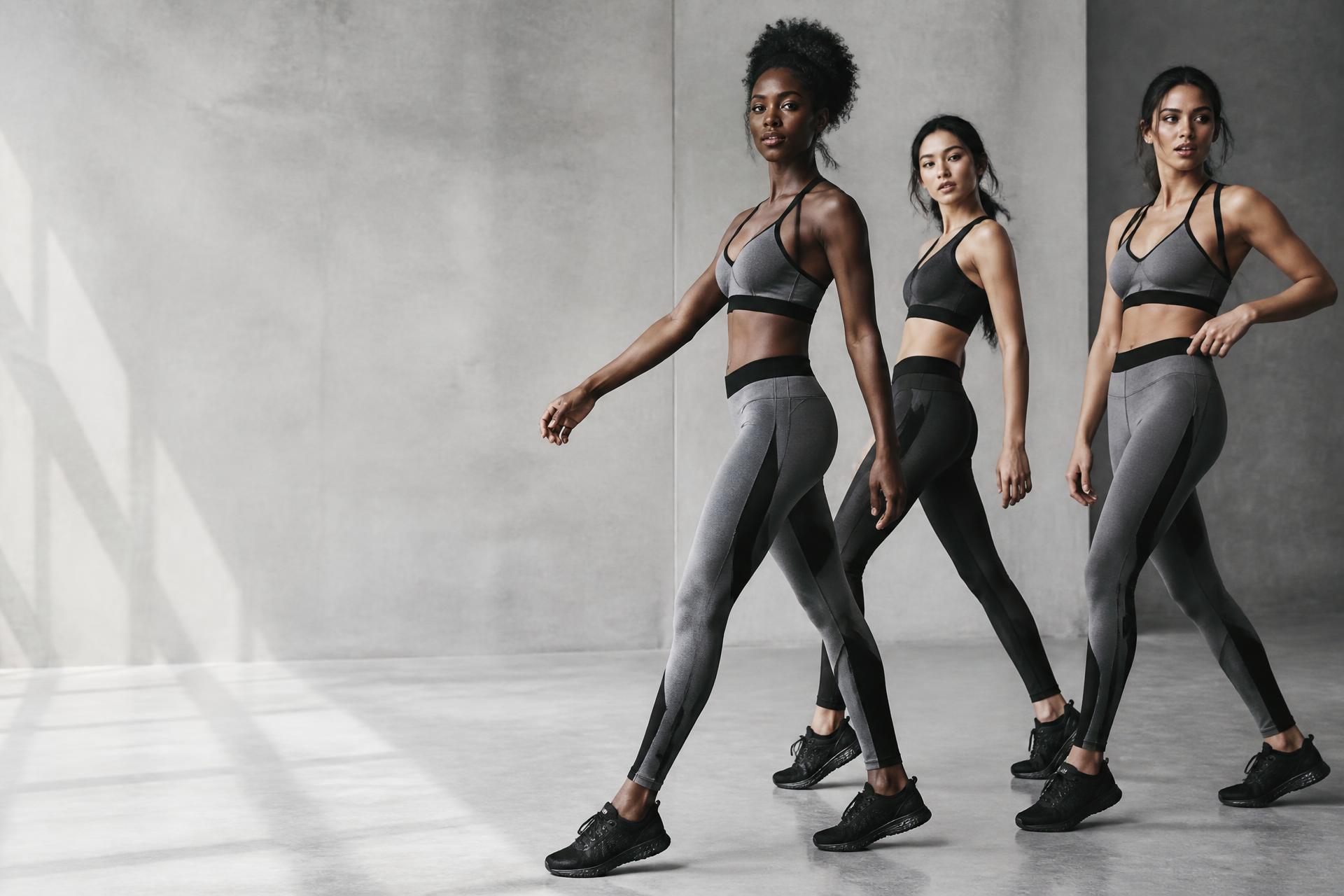
The perfect legging is not a single product — it is a match between fabric, compression and the demands of your session. A squat-proof sculpting knit that feels supportive under a barbell can feel restrictive during a long run, and the featherweight pair you love for yoga will not hold you the same way through heavy lifting.
This guide breaks the decision into four variables you can actually judge in a fitting room: compression level, rise, length and fabric weight. Learn them once and you will never buy the wrong pair again.
Match compression to the intensity of your session
Compression is the amount of inward pressure the fabric applies to the muscle. High-compression knits with a dense yarn and a firm recovery rate hold the quad and glute in place, which is why they feel so secure under squats, deadlifts and heavy leg work. Medium compression gives shape without limiting deep flexion — the sweet spot for conditioning, cycling and circuit training. Light compression, which behaves more like a second skin, is the right call for yoga, pilates and mobility work where you need the fabric to disappear.
A useful test: hold the waistband and stretch the fabric horizontally. If it snaps back instantly and firmly, you are looking at high compression. If it stretches easily and returns slowly, that pair belongs in a low-impact rotation.
Actionable tips
- Lifting and strength work: high-compression, squat-proof knit in a mid to heavy weight.
- Running and HIIT: medium compression with breathable panels and a flat, non-bouncing waistband.
- Yoga and pilates: light compression, buttery hand-feel, minimal seams at the knee.
Get the rise right before anything else
Rise decides whether a legging stays where you put it. A high rise that sits at or just above the natural waist gives core coverage and stops the waistband rolling during hinge movements — the single most common complaint women have with training tights. An ultra-high rise adds a smoothing effect and pairs cleanly with a crop top. Mid rise works for low-impact days and everyday wear, but it is rarely the right choice for lifting.
Check the rise while moving, not standing. Sit, hinge and squat in front of a mirror. If the waistband folds over or slips more than a centimetre, size or style is wrong.
Length and fabric weight change how a legging performs
Full length gives warmth and coverage for cold-weather training and studio sessions. 7/8 length sits at the narrowest part of the ankle, which visually lengthens the leg and keeps fabric clear of trainers during running. Cycling shorts and knee-length options come into their own in summer heat and on the bike.
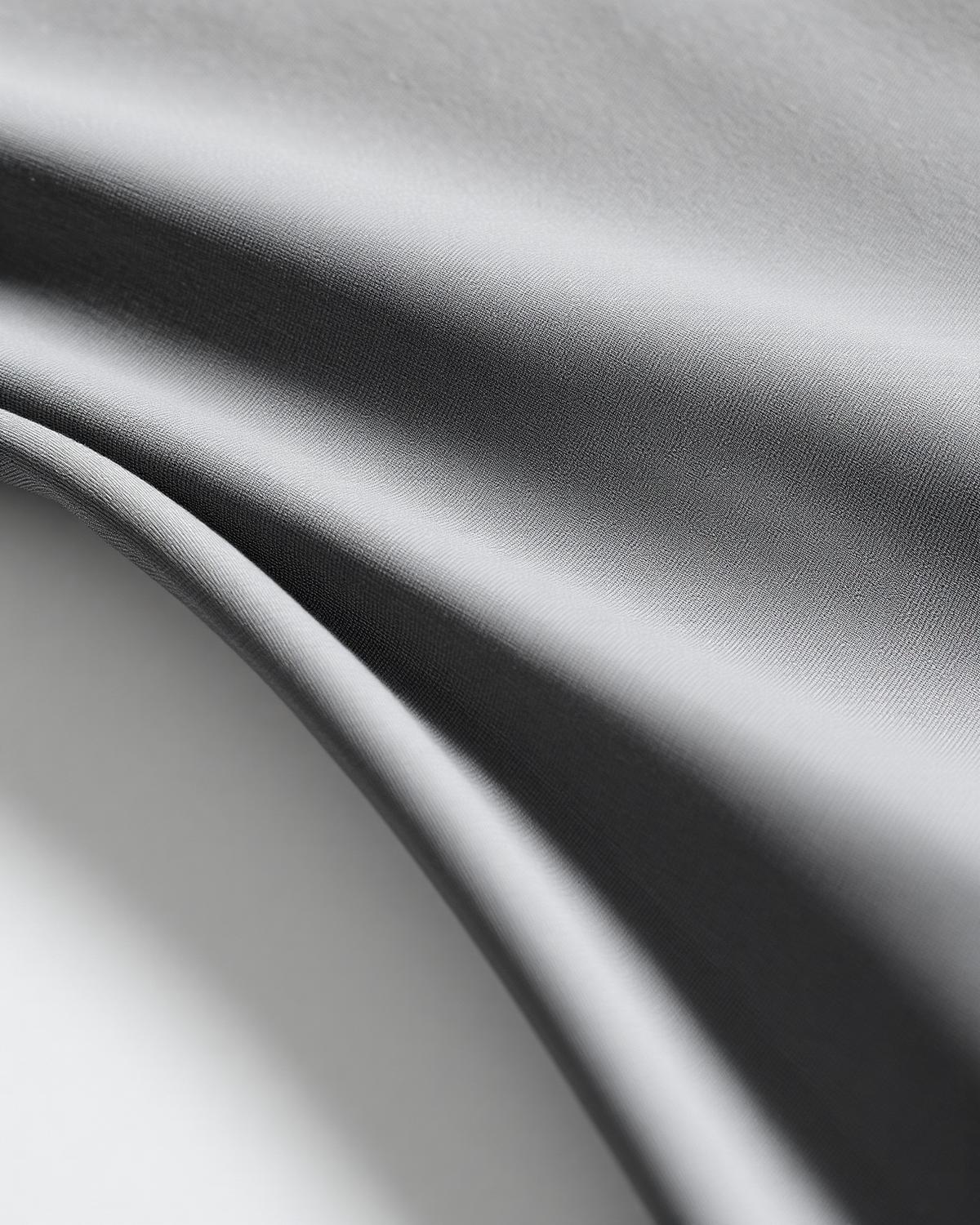
Fabric weight matters just as much. Heavier interlock knits stay opaque under stretch and hold their shape wear after wear; lighter jersey and mesh-blend fabrics breathe better but need a higher yarn density to remain squat-proof. Premium activewear achieves both — that is exactly what you are paying for.
Actionable tips
- Always do the squat test in natural light before committing to a pair.
- Look for flatlock seams and a gusseted crotch — both prevent chafing during long sessions.
- Buy two colourways of the pair that works rather than experimenting endlessly.
Build a three-pair rotation instead of a drawer full of compromises
Most women train across two or three modalities in a week. A considered rotation covers all of it: one high-compression black pair for strength days, one breathable mid-weight pair for cardio, and one soft, light pair for recovery, travel and rest days. Three excellent pairs outperform ten mediocre ones, wash better and keep your wardrobe visually coherent.
Keep the palette disciplined — black, soft grey and silver work with every top you already own, which quietly increases how often you actually wear each piece.
Frequently asked questions
- How do I know if leggings are squat-proof?
- Stretch the fabric over your hand in bright light. If you can see skin tone through it, it will be sheer in a deep squat. A dense interlock knit with high yarn count stays opaque under full stretch.
- Should leggings feel tight when I first put them on?
- Snug, yes; restrictive, no. Compression leggings should feel firm around the thigh and glute while still allowing a full-depth squat without the waistband pulling down.
- How many pairs of leggings do I actually need?
- Three is enough for most training weeks: one high-compression pair, one breathable cardio pair and one soft pair for low-impact and everyday wear.
Shop the story
Every piece mentioned in this guide lives in the Lisboa Fit collection. Explore leggings, crop tops, tennis sets or browse the full shop and best sellers.