Fabric & Care
Best Fabrics for Activewear
Lisboa Fit Editorial Team · Published 4 March 2026 · Updated 5 July 2026 · 2 min read
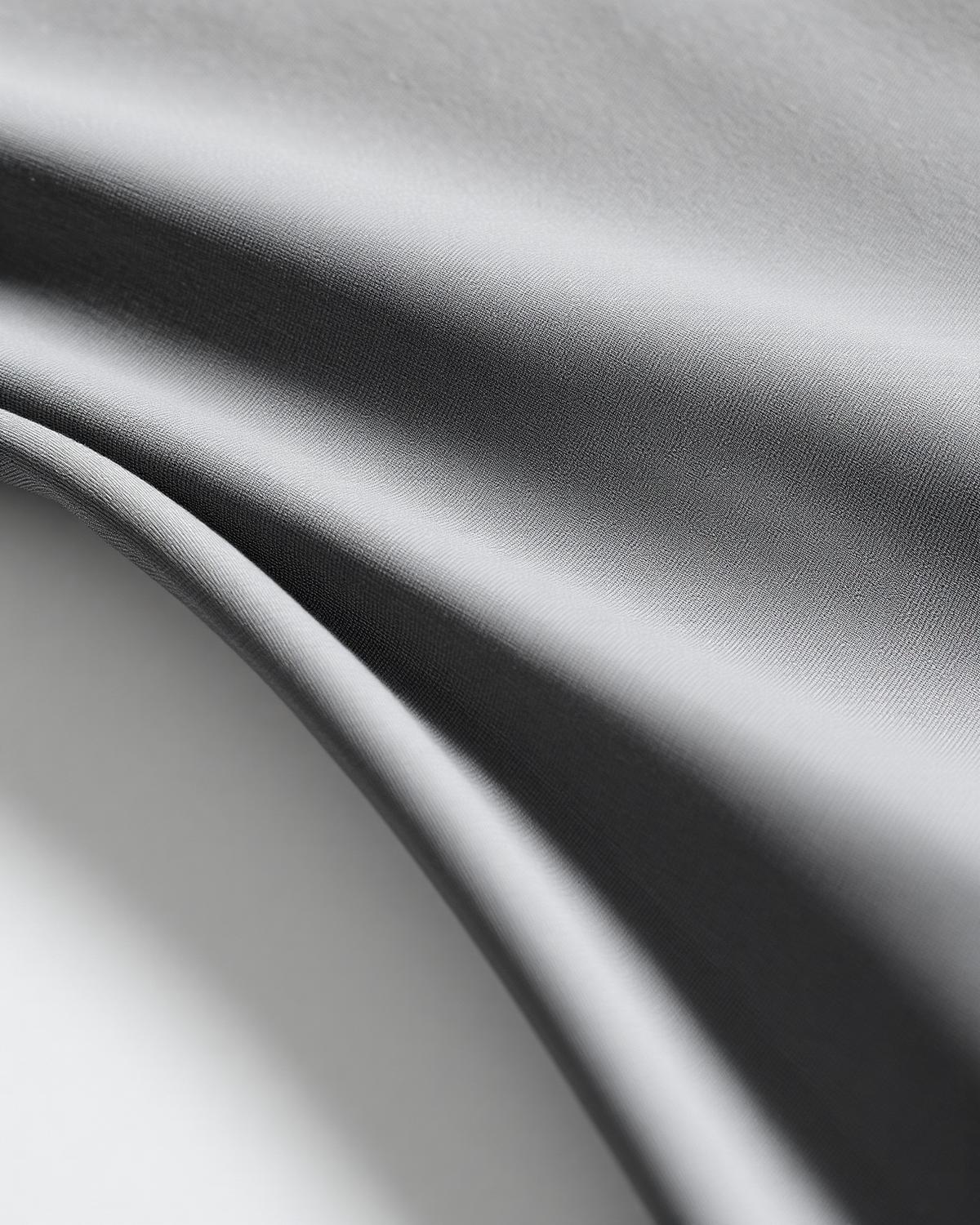
Fabric is where activewear is won or lost. Two leggings can look identical on a rail and behave completely differently after ten washes.
The core fibres and what they do
Polyamide (nylon) gives a soft, cool hand-feel with excellent abrasion resistance — the base of most premium sculpting knits. Polyester is lighter, dries faster and holds colour extremely well, making it ideal for hot-weather and high-sweat pieces. Elastane provides the stretch and, crucially, the recovery. Between 15 and 25 per cent elastane usually indicates a genuine compression knit.
Knit construction matters as much as fibre
An interlock knit is denser and more opaque than a single jersey, which is why it stays squat-proof under stretch. Brushed interiors add warmth without weight. Mesh and pointelle structures place ventilation exactly where the body needs it. Two garments with an identical composition label can differ enormously because of how the yarn is knitted.
Actionable tips
- Check yarn density by stretching the fabric against light — opacity under stretch is the true test.
- Look for flatlock seams and a gusset; both indicate a maker who understands movement.
Recycled and responsible options
Recycled polyamide and polyester now match virgin fibres for performance in most applications. The most sustainable choice, however, remains the garment you keep for years — durability is an environmental feature.
Frequently asked questions
- Is nylon or polyester better for activewear?
- Nylon feels softer and resists abrasion better; polyester dries faster and holds colour longer. Premium activewear often blends both with elastane.
- How much elastane should leggings have?
- Roughly 15–25 per cent for genuine compression and recovery. Below 10 per cent the fabric will stretch out over time.
- Is recycled activewear as good as virgin fabric?
- In most performance applications, yes. Modern recycled polyamide and polyester match virgin fibres for strength, stretch and colour retention.
Shop the story
Every piece mentioned in this guide lives in the Lisboa Fit collection. Explore leggings, jackets, hoodies or browse the full shop and best sellers.